
Climate change observatories in ports: the CLEVER TOOL
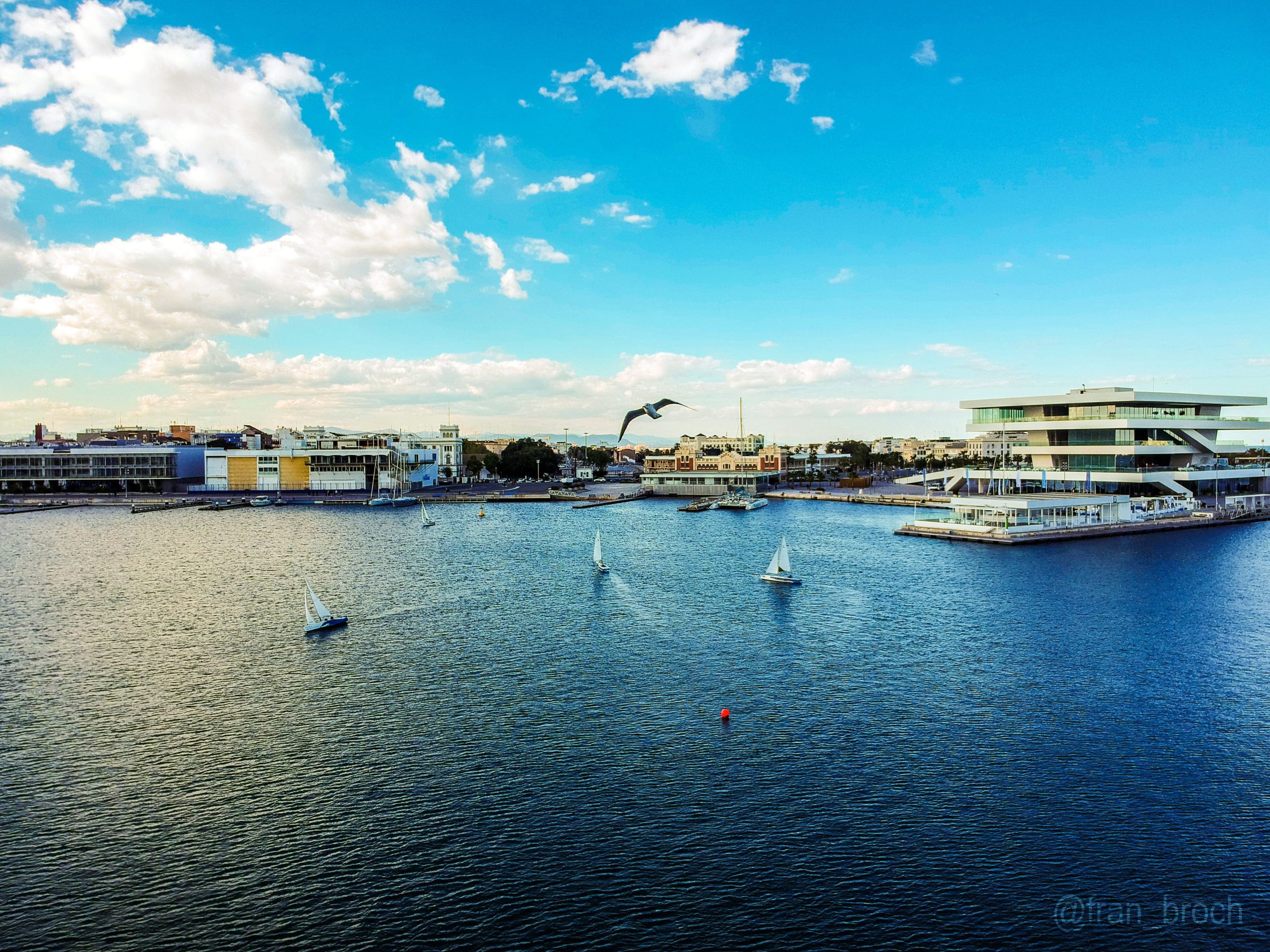
Adapting to climate change has become a strategic challenge for ports. This flash presents the role of Climate Change Observatories in adaptation and port resilience, based on the case of the CLEVER TOOL from the Port Authority of Valencia. The content is an adapted and summarised version of the article ‘Ports on the Frontline: How Climate Change Observatories Drive Adaptation’, published in Port Technology International (Edition 156).
Due to their strategic location on the coastline or rivers, ports are critical transportation hubs that are directly threatened by climate risks. Climate change is a current reality that manifests itself both through extreme events (storms, torrential rains, prolonged droughts) and slow-onset processes (sea level rise, warming waters, ocean acidification). For ports, adaptation is not an option, but an urgent necessity to ensure their operability, safety and competitiveness.
The concrete impacts: a multidimensional threat
The effects of climate change on a port are systemic and affect all aspects of its operations. Examples include the following:
- Infrastructure: increased wave energy and sea level rise compromise the integrity of dykes and breakwaters, causing flooding of esplanades. Extreme rainfall can also cause flooding, while droughts or after floods, the operational draught in navigation channels and docks may be reduced.
- Operations and equipment: adverse weather events worsen operating conditions and may even force operations to be suspended due to extreme wind, poor visibility (fog or rain) or thunderstorms. Equipment can be damaged by accelerated corrosion, hail or high temperatures. Goods may be exposed to rain, spray from waves, hail or falls and impacts. Wind and poor visibility increase the risk of equipment collisions or broken ship moorings.
- People: the safety of workers, passengers, and visitors may be compromised by accidents resulting from adverse weather conditions, heatstroke, or hypothermia.
- Environment: the port itself and its surroundings are more vulnerable to accidental spills, water pollution from runoff, reduced air quality, and degradation of adjacent coastal ecosystems.
Although it is possible to operate in hostile environments (such as the North Sea or the Persian Gulf), doing so requires a significant financial investment. In this context, where investment cycles are long and resources are limited, planning based on real information is key to designing adaptation strategies and strengthening the resilience of each port.
Climate change observatories: from data to information
Each port is unique. Its specific risks depend on its geographical location, physical configuration, type of traffic (containers, solid and liquid bulk, passengers, etc.) and equipment, among other factors. Therefore, effective adaptation requires in-depth knowledge of local conditions, including weather and climate, infrastructure and operations. In this context, climate change observatories are emerging as strategic tools with a dual purpose: to systematically record meteorological and oceanographic events and to document their actual effects. This combination transforms raw data into useful information, enabling:
- Establish realistic operational limits.
- Design operational protocols based on adverse weather conditions.
- Identify and report critical points for maintenance or reinforcement.
- Prioritise and design adaptation investments (infrastructure and equipment) based on climate projections, not just historical data, integrating them into a climate change adaptation plan.
- Systematically reduce risk to people.
CLEVER TOOL: the response from the Port Authority of Valencia
To realise this vision, the company NOW Systems, with the support of the Fundación Valenciaport and within the framework of the ARSINOE project (Horizon 2020 programme), has designed the CLEVER TOOL digital solution for the Port Authority of Valencia.
This innovative tool is proposed as the core of the APV Climate Change Observatory and is distinguished by its dual and integrative approach: on the one hand, it allows the automatic capture of meteorological and oceanographic data from multiple sources, and on the other, it allows users (concessionaires, operators and the port authority) to quickly and easily report the observed effects of each event on infrastructure, equipment and operations.
Designed with a user-centred approach, CLEVER TOOL is based on an interactive graphic template of the ports of Valencia, Sagunto and Gandía, delimited by concessions. This ensures that each user can accurately report incidents in their area of responsibility and in common areas, facilitating traceability and management.
Conclusion: towards resilient ports
Faced with the certainty of a more extreme climate, uncertainty is no excuse for inaction. Climate change observatories, embodied in practical tools such as CLEVER TOOL, provide the knowledge needed to design adaptation strategies. It is not just a matter of rebuilding dykes, but of safeguarding the essential economic and social function of ports, ensuring their long-term operability, safety and sustainability.
With this initiative, the Port Authority of Valencia is positioning itself at the forefront of climate adaptation in the European port sector.
References
- MONTERDE HIGUERO, N. 2025. Ports on the Frontline: How Climate Change Observatories Drive Adaptation. Port Technology International, Edition 156, p45-48.
*Disclaimer: This English version has been generated with the support of AI-based translation tools. In case of discrepancies, the Spanish original prevails.