

Training, stability and equality practices as a competitive advantage
The ability to motivate, engage and retain talent is one of the main challenges facing organisations. This article…

Flexible IoT Architectures for Smart Ports
The article Flexible Multi-Domain IoT Architecture for Smart Cities explores how multi-domain IoT architectures make it…
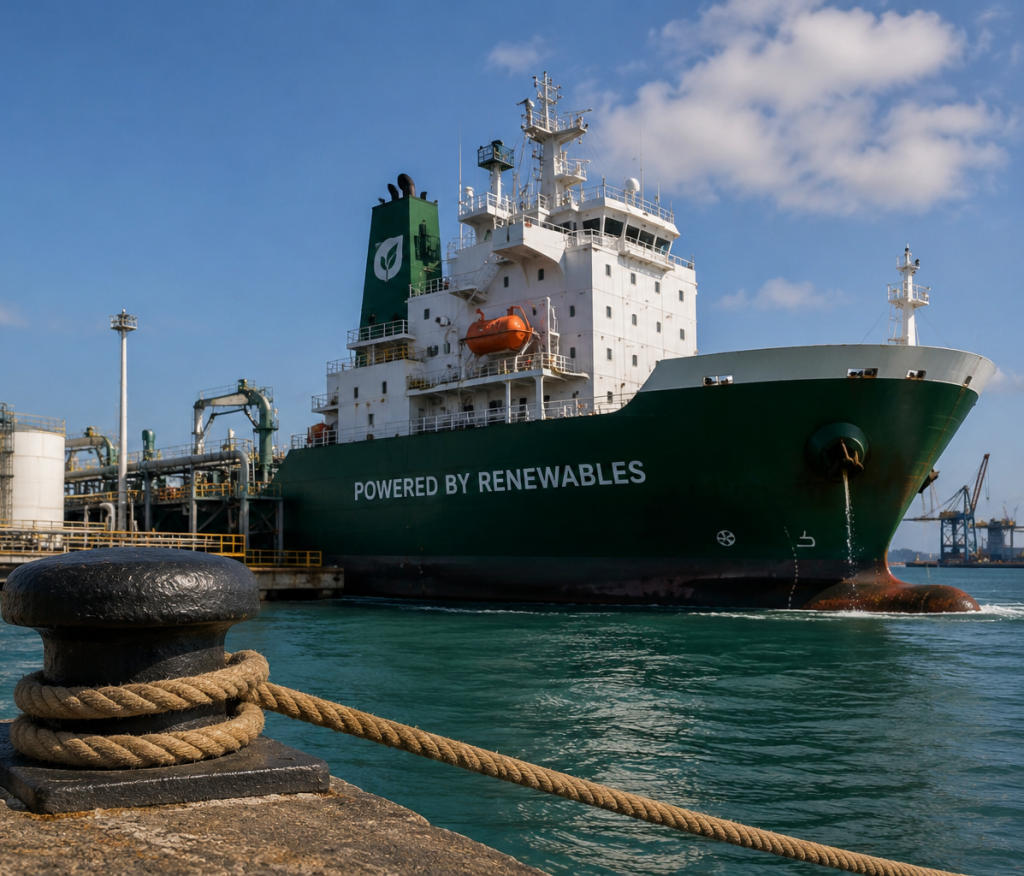
Drop-in alcohol-based biofuel in ships: emissions assessment using GrenOl+
One highly promising option for decarbonising the maritime sector is the use of diesel-like fuels, commonly known as…

Towards enhanced port security: integration of advanced unmanned vehicle systems in port environments
Security in port environments faces increasingly complex challenges, particularly in terms of underwater threats, where…

The metro as a logistical ally: reivinting the last mile in cities
The rise of e-commerce is not only transforming consumption patterns, but also reshaping urban mobility and the…

Automation of vehicles in port environments
The automation of vehicles in port environments is one of the key elements of modern logistics, enabling smarter and…

Electricity on the water: electric barges for ships in port
Ports are now at the heart of the energy transition in maritime transport, in a context marked by increasingly…

Leading port innovation ecosystems: Rotterdam and Valencia
Ports are currently at the centre of some of the major economic, technological and environmental transformations of our…

Climate change observatories in ports: the CLEVER TOOL
Adapting to climate change has become a strategic challenge for ports. This flash presents the role of Climate Change…