

Why are most ports still not ready for Just-in-Time Arrivals?
In response to growing regulatory requirements to reduce emissions while also improving the efficiency of port calls,…
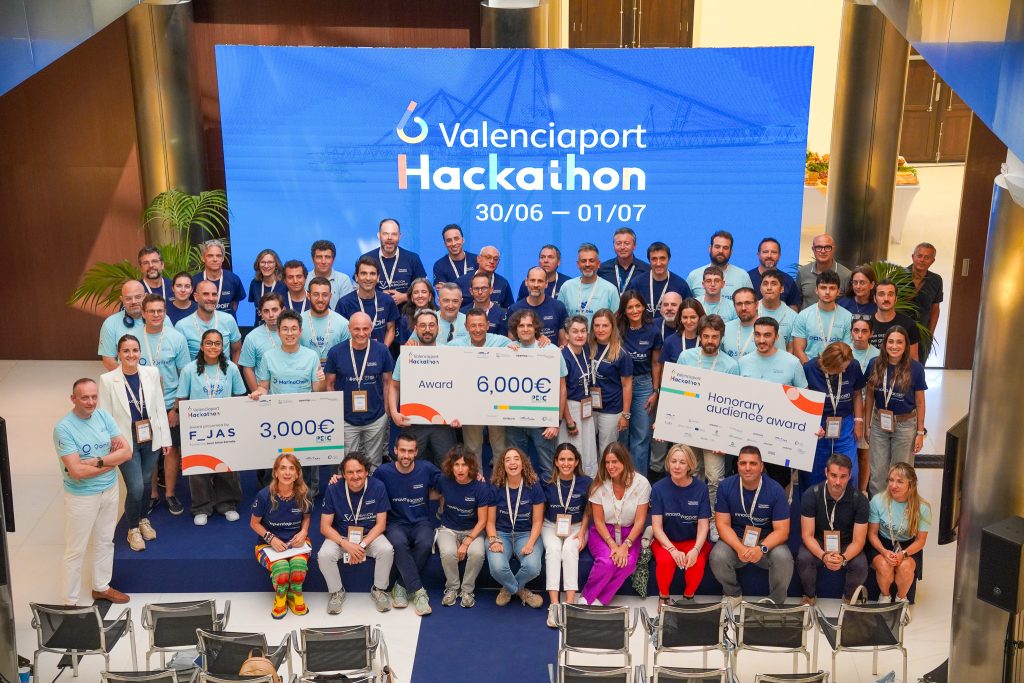
Open innovation in ports: the hackathon as a pathway to technology pilots
Introduction In recent years, open innovation in the port sector has established itself as a trend within an…
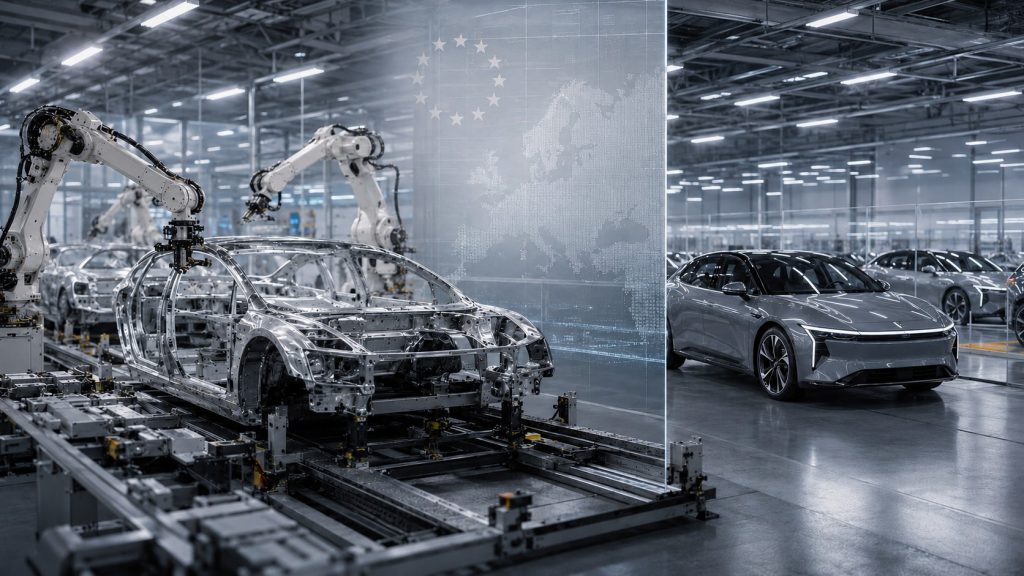
The automotive industry in Europe or the need to move from plan to action
Introduction and key sector figures The automotive industry in Europe has traditionally been, and continues to be, one…
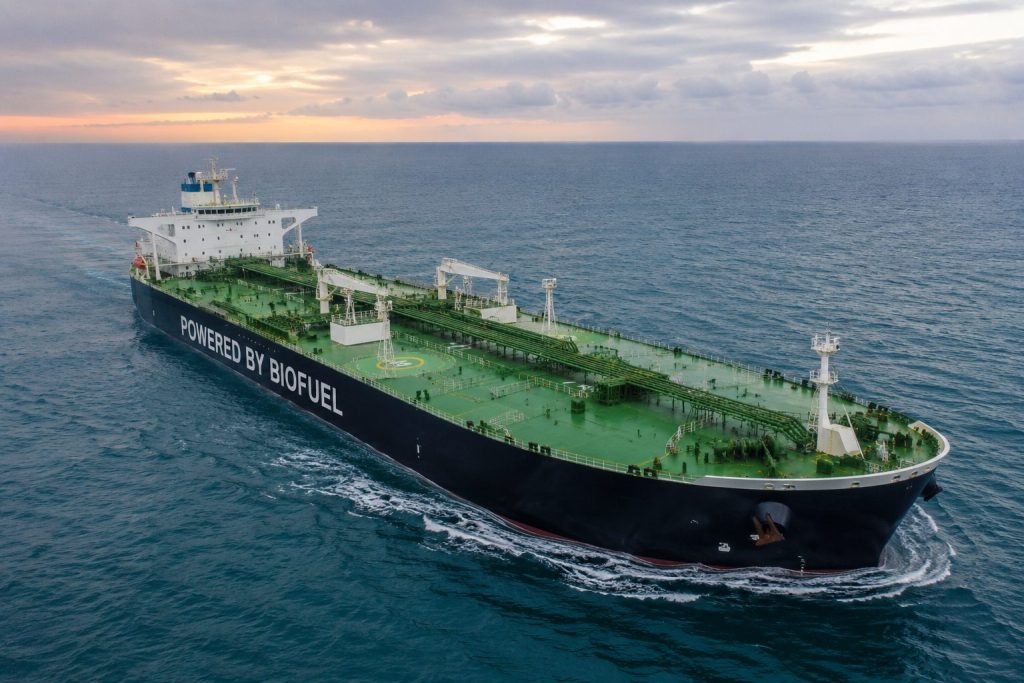
The use of biofuels for the rapid decarbonisation of the maritime sector
The maritime sector has been undergoing a process of profound transformation as a result of both the decarbonisation…
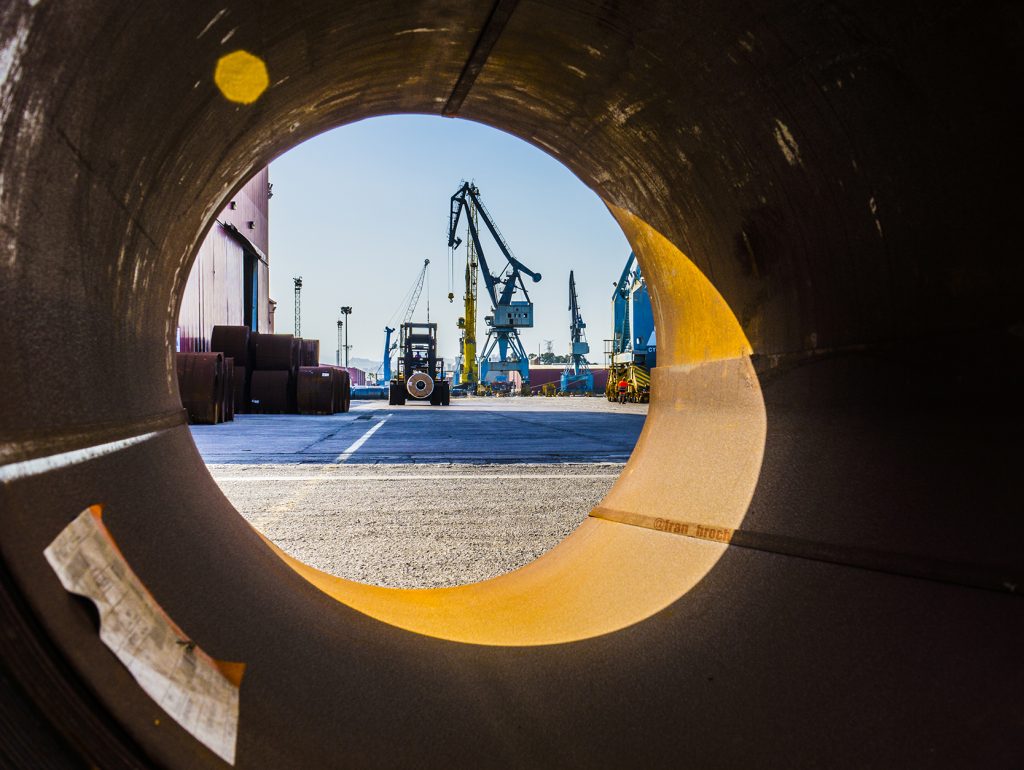
Port circularity: a challenge Europe cannot postpone
During decades, the linear economy — defined as the production and consumption model based on the sequence of…
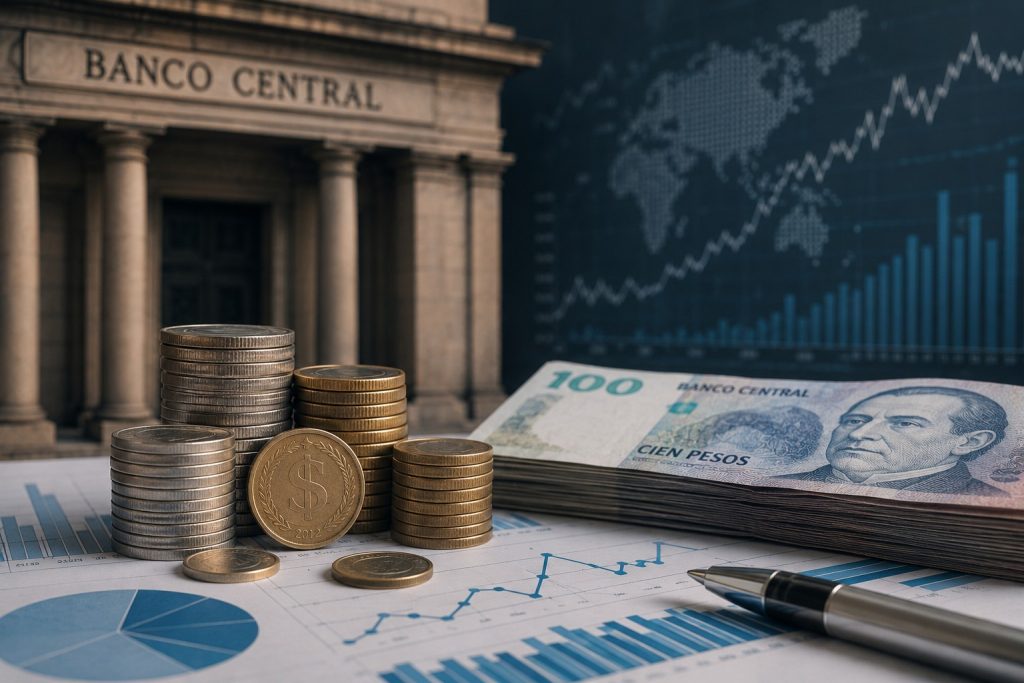
The monetary policy dilemma: the game must change
A world of permanent monetary laxity The situation unfolding in the Persian Gulf, particularly in the Strait of Hormuz,…
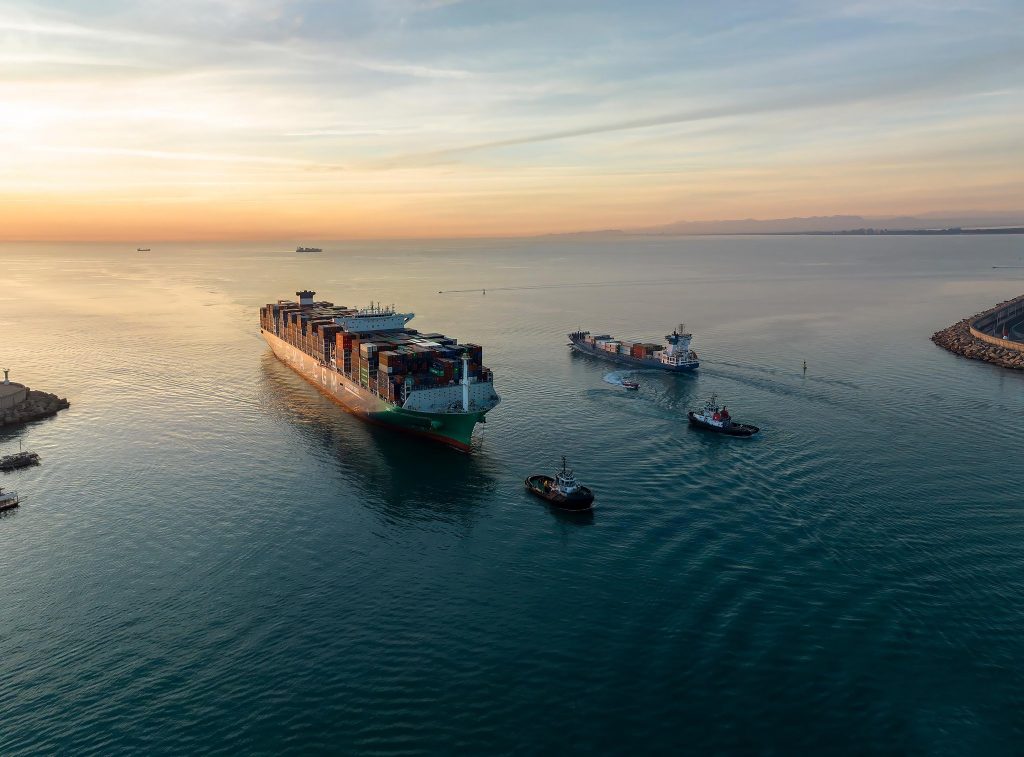
MEPC 84 (April 2026): the climate agenda reaches a decisive moment and the Net Zero Framework moves forward, with the debate still ongoing
The Marine Environment Protection Committee (MEPC) is the main technical body of the International Maritime…
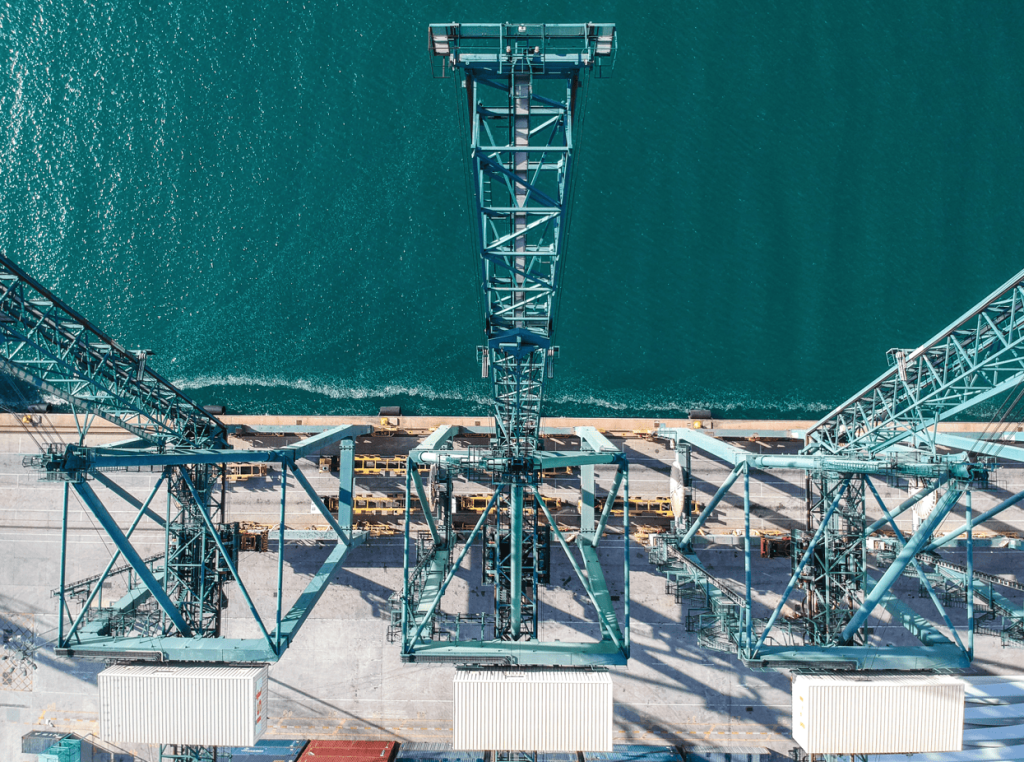
The importance of interoperability in smart ports
The new era of smart ports For centuries, ports have worked as physical nodes of exchange: spaces where goods, people…

Carbon footprint in ports: how to measure and understand its impact
Climate change is one of the main challenges of the 21st century. This phenomenon poses a significant risk to ports,…