
From physical document to digital asset: the eBill of Lading in the digital transformation of maritime trade
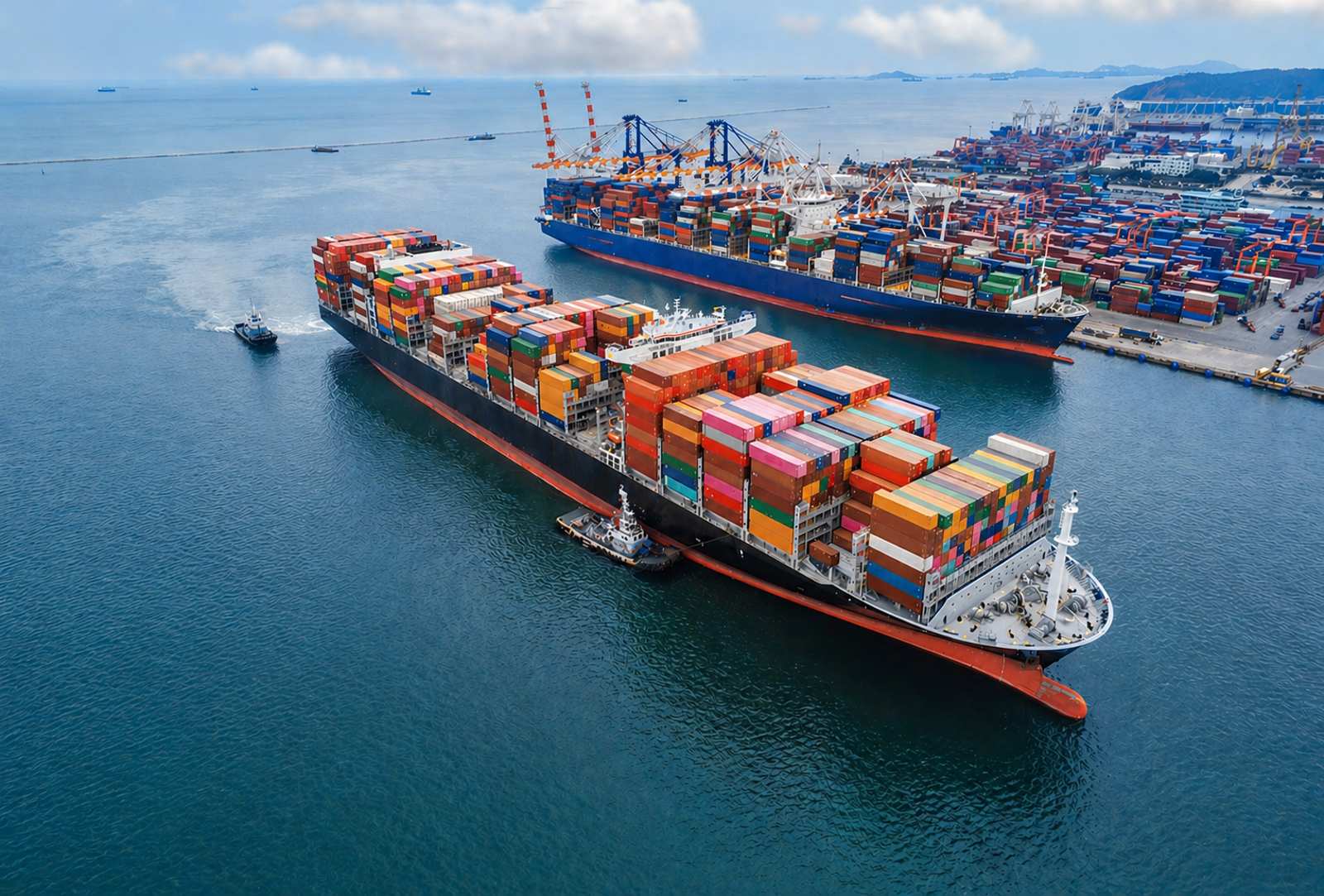
The Bill of Lading (B/L) remains the most critical document in international maritime transport today and, at the same time, one of the least digitised. Every year, around 20 million paper Bills of Lading are issued and physically transferred, covering around 40% of containerised maritime trade transactions. Despite decades of digital progress, the B/L continues to rely on the physical exchange of documents, becoming one of the main bottlenecks in global trade
The economic implications of this model are significant and quantifiable. The documentation associated with a single shipment can require up to 50 pages of paper and involve more than 30 different parties. According to McKinsey, the Bill of Lading accounts for between 10% and 30% of the total cost of commercial documentation, generating recurring costs for printing, express courier services and manual processing. Added to these direct costs are those arising from delays, errors and document fraud, which lead to goods being held up, increased working capital requirements and financial losses, particularly in time-sensitive operations.
The environmental impact reinforces the urgency of change. Millions of documents printed and physically transported by air each year result in heavy paper consumption and emissions associated with express delivery – a model that is hardly compatible with the maritime sector’s commitments to sustainability and decarbonisation. The pandemic also highlighted the fragility of these processes: thousands of containers were stranded in ports due to a lack of physical documentation, exacerbating congestion and logistical disruptions.
In this context, the implementation of the electronic Bill of Lading (eBL) should be seen as a key—though not the only—lever within a broader process of digital transformation in maritime trade, alongside data standardisation, technological interoperability, the use of open APIs, and the adaptation of legal and regulatory frameworks. The approach championed by the Digital Container Shipping Association (DCSA) aims for the universal adoption of a standardised eBL, applicable to both original Bills of Lading and Seaway Bills, enabling end-to-end automated processing and eliminating reliance on paper.
The economic potential of this transition is significant. A McKinsey analysis estimates that 100% adoption of the eBL could generate $6.5 billion annually in direct savings and enable up to an additional $40 billion in global trade, resulting in a total annual impact of over $50 billion for the maritime-logistics ecosystem. Beyond efficiency, the eBL introduces operational resilience into supply chains exposed to recurring disruptions.
In this process, GSBN (Global Shipping Business Network) is playing a key role as a platform for real-world implementation at scale. Through its neutral blockchain-based infrastructure, more than 550,000 electronic bills of lading have already been issued and processed, covering operations in over 100 countries. These figures confirm that the eBL has moved beyond the pilot phase and is establishing itself as an operational solution.
The credibility of the model is underpinned by the integration of recognised international standards. GSBN incorporates BIMCO and DCSA standards and actively participates in harmonisation initiatives such as the UN/CEFACT Multimodal Transport Reference Data Model, ISO 5909 and the Key Trade Documents and Data Elements (KTDDE) promoted by the International Chamber of Commerce. This approach ensures that eBLs are interoperable, scalable and usable beyond the GSBN ecosystem, including stakeholders associated with the DCSA.
A recent milestone in this evolution has been the go-live, in June 2025, of the DCSA’s eBL v3.0 API on the GSBN’s platform, with IQAX being the first eBL solution globally to successfully implement it. This integration enables DCSA member shipping lines — which account for approximately 70% of global containerised trade — to roll out the eBL standard in an agile and uniform manner, accelerating the transition towards the sector’s goal of widespread adoption by 2030.
All in all, the evolution of the Bill of Lading from a physical document to an interoperable digital asset is not an end in itself, but an essential enabler of more efficient, resilient and sustainable supply chains. The convergence of standards, platforms such as GSBN and API technologies is transforming a long-standing aspiration of the sector into an operational reality with tangible economic impact on the horizon by 2030.
References
- BIMCO Electronic Bills of Lading: Notification of new process. Available at: https://www.igpandi.org/article/electronic-bills-of-lading-notification-of-new-process/ [Accessed 15 April 2026]
- Global Shipping Business Network (GSBN) Accelerating eBL Adoption. Available at: https://tinyurl.com/bddtmcvk. [Accessed 15 April 2026]
- Global Shipping Business Network (GSBN) IQAX becomes the world’s first eBL solution to go live with the DCSA eBL API v3.0 on GSBN. Available at: https://gsbn.trade/iqax-becomes-first-ebl-solution-globally-to-go-live-with-dcsa-ebl-api-v3-0-on-gsbn/ [Accessed 15 April 2026]
- International Chamber of Commerce – Digital Standards Initiative (DSI) – KTDDE. Available at: https://dsi.iccwbo.org/ [Accessed 15 April 2026]
- McKinsey & Company The multi-billion-dollar paper jam: Unlocking trade by digitalising documentation. Available at: https://www.mckinsey.com/industries/logistics/our-insights/the-multi-billion-dollar-paper-jam-unlocking-trade-by-digitalizing-documentation [Accessed 15 April 2026]
*Disclaimer: This English version has been generated with the support of AI-based translation tools. In case of discrepancies, the Spanish original prevails.