
China and port technology standardisation as an instrument of soft power
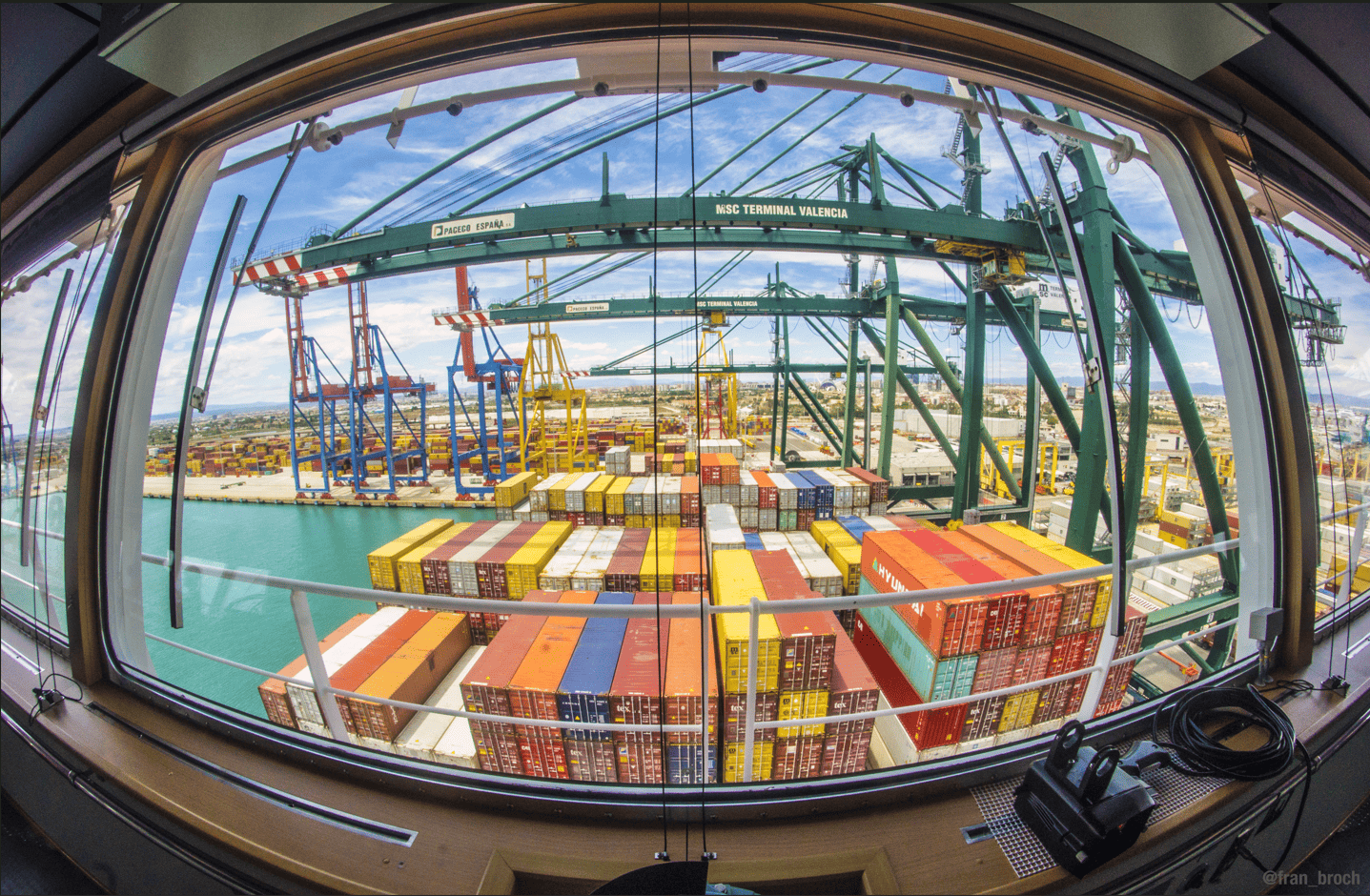
Soft power in ports: these are the nervous system of the global economy, and controlling or influencing the standards that govern their operation is equivalent to having a decisive say in how world trade is organised.
Early last year, members of the International Organisation for Standardisation (ISO) approved by majority vote, and at the proposal of China, the creation of Subcommittee 27 (ISO TC8 SC27) within this organisation. SC27 will be specifically dedicated to defining technological and operational standards in ports and maritime terminals. The creation of this group was received in the sector with a mixture of interest, expectation and, in some cases, cautious concern. And with good reason.
Standardisation, often perceived as a technical and neutral exercise, is in fact a powerful tool for economic, technological and geopolitical influence. And in this particular case, the fact that the initiative and chairmanship of SC27 fall to China is no minor detail.
China has been at the centre of international debate for months due to the growing penetration of its technology in Western markets, which in just a few years has narrowed the gap in quality and competitiveness with respect to similar solutions designed in Europe and the US. In particular, there has been growing concern about Chinese developments in telecommunications and data transmission systems linked to critical infrastructure.
Various governments and agencies have expressed concern about the possible capture of sensitive data when these technologies are combined with strategic assets, such as ports. In a world where information is as valuable as the goods themselves, the line between operational efficiency and strategic risk has become increasingly blurred.
From this perspective, the creation of SC27 on ports and terminals can be interpreted as China‘s response to this climate of mistrust. Not a direct confrontation, but a more subtle move, in line with the soft power strategy that the Asian country has been deploying for years. A soft power that is not exercised through coercion or conflict, but through regulatory influence, industrial presence and progressive positioning in key sectors of the global economy.
Chinese soft power has manifested itself in many ways: investment in infrastructure, participation in strategic logistics hubs, financing of projects in third countries and, increasingly, leadership in international standardisation forums. The logic is clear: whoever defines the rules of the game largely determines who can play and how.
Ports are not simply physical spaces where goods are loaded and unloaded. They are the nervous systems of the global economy. They concentrate strategic transport flows, data, energy and decisions. Controlling, or at least influencing, the standards that govern their operation is equivalent to having a decisive voice in how world trade is organised. And for a country like China (the world’s leading exporter and a central player in supply chains), this influence is particularly valuable.
Furthermore, China is not starting from a theoretical or academic position. It has a very solid industrial and technological ecosystem in the port sector: machinery manufacturers, automation system suppliers, terminal management platforms, communications solutions and digital technologies that are already operating in numerous ports around the world. The presidency of SC27 offers a clear opportunity to transfer this knowledge of technologies and operational processes to the field of international standards.
The question arises as to whether this is a (legitimate from a strategic point of view) attempt to reinforce the credibility and international reputation of Chinese technology by formalising it in ISO standards. Standards that, in the medium term, may become a mandatory reference for tenders, modernisation projects and investment decisions. In this scenario, companies whose developments naturally align with these standards will start with a significant competitive advantage.
The key question is how this process may affect European and American technology companies.
If the standards that are defined are based primarily on architectures, data models or operational approaches developed mainly by Chinese companies, the risk is not only commercial. There is a possibility that other players will be forced to adapt their solutions, incur additional costs or, in the worst case, lose relevance in a market increasingly regulated by standards that they have not helped to define.
This context highlights the fact that standardisation is never neutral. It is a space for silent competition, where decisions are made about which technologies become universal and which are relegated to marginal niches.
The establishment of ISO Subcommittee 27 shows that the future of ports will not be decided solely at the docks or terminals, but also at the standardisation tables. For Europe and other leading nations in technological development, the message is clear: active participation in these forums is not an option, but a strategic necessity. Because those who are late to standardisation are often late to the market. Understanding standardisation as an instrument of soft power is the first step in facing this new scenario with realism and strategic vision.
References
- INTERNATIONAL ORGANIZATION FOR STANDARDIZATION. 2025. ISO/TC 8/SC 27 – Ports and terminals. Available at: https://www.iso.org/committee/10823128.html [Accessed: 14 January 2026].
*Disclaimer: This English version has been generated with the support of AI-based translation tools. In case of discrepancies, the Spanish original prevails.