
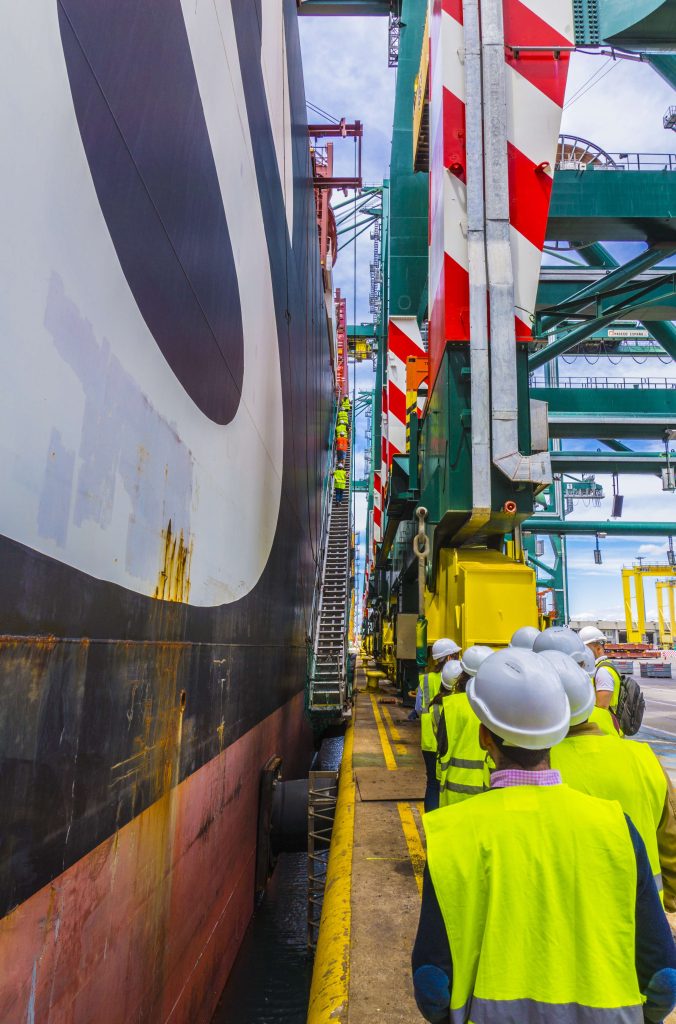
Detecting training needs: a strategic key to port energy transition
The energy transition in the port sector does not depend solely on new technologies, fuels or infrastructure. It also…
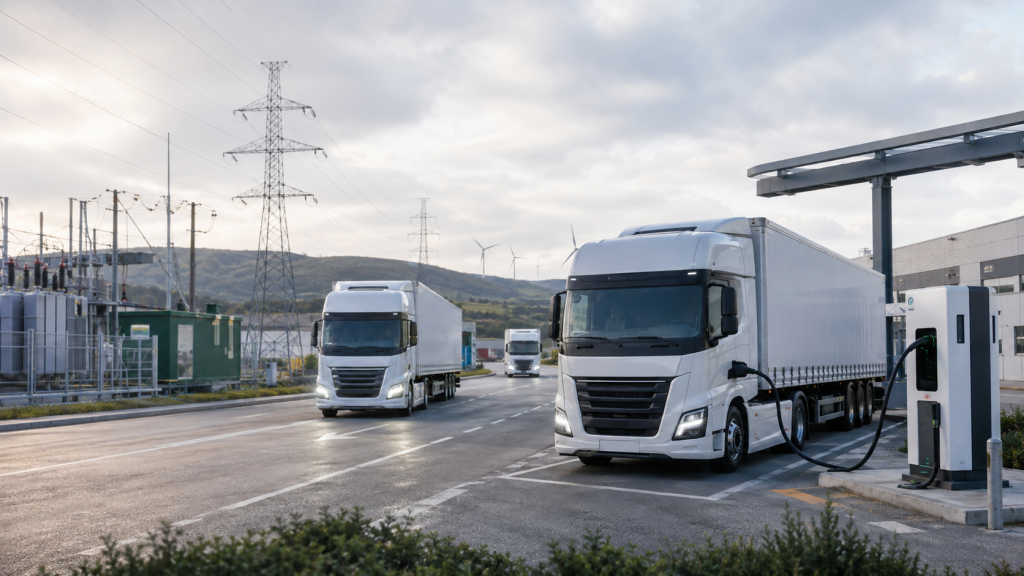
Electrifying road freight: AFIR and the readiness of the grid
Electric trucks are no longer a pilot. Battery-electric heavy-duty vehicles are moving from demonstration to deployment…
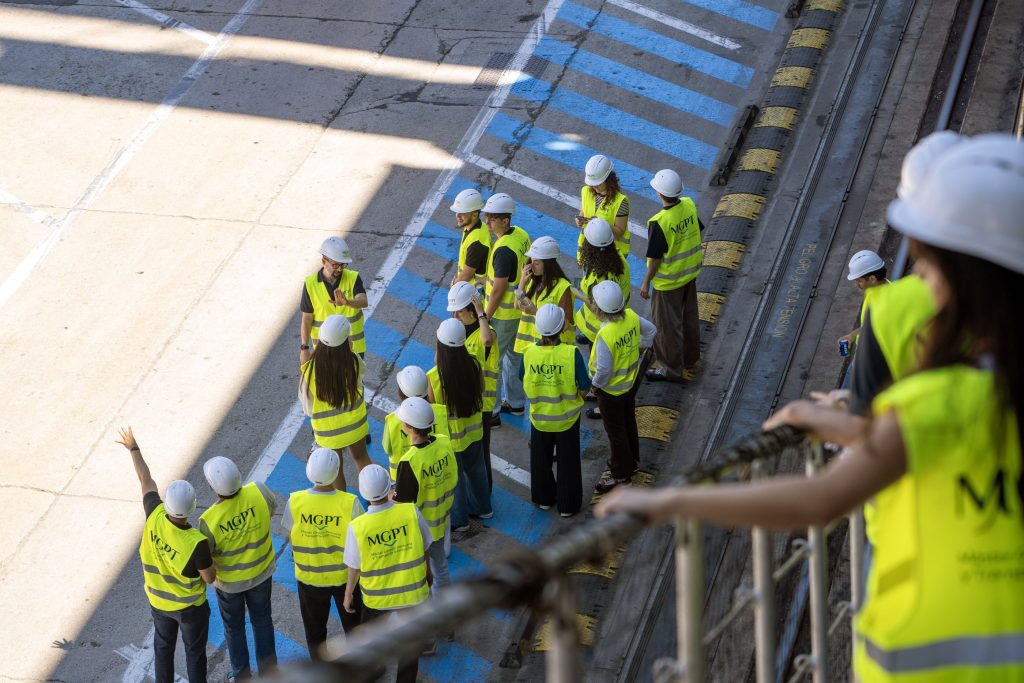
Education: the missing piece of the puzzle in maritime decarbonisation
Discussions on maritime decarbonisation are typically framed around technology and finance. Alternative fuels,…
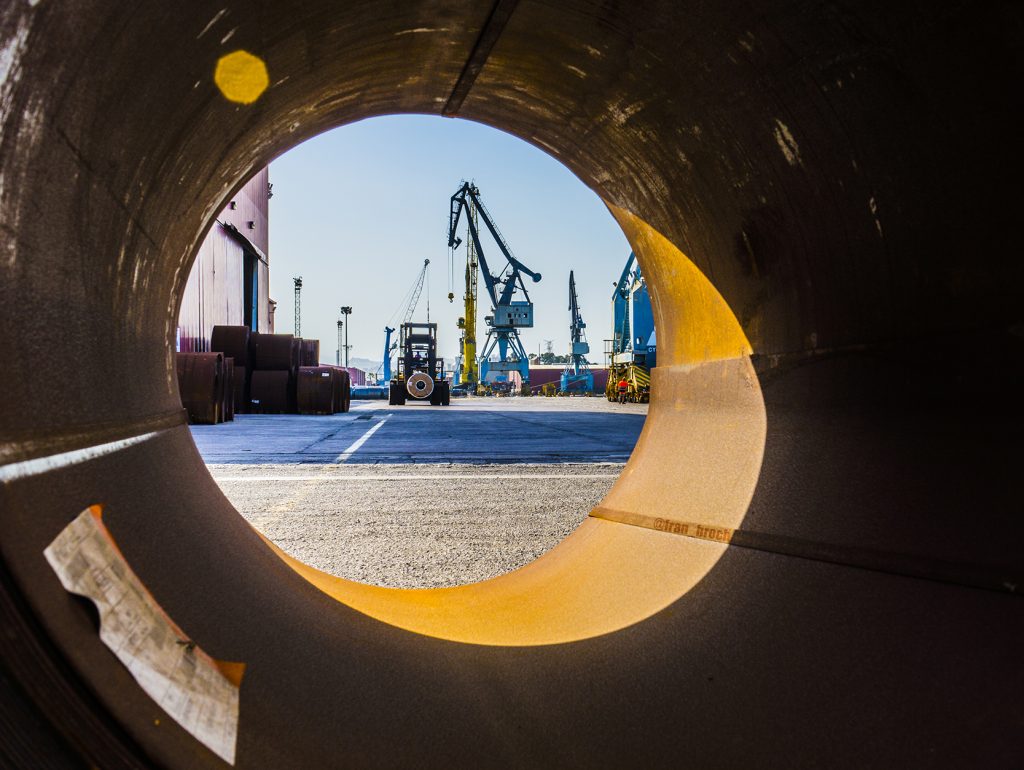
Port circularity: a challenge Europe cannot postpone
During decades, the linear economy — defined as the production and consumption model based on the sequence of…

R&D&I as a financial leverage for the port sector
1. Investment in R&D&I as a Driver of Resilience In the contemporary global economy, investment in…

Conclusions of the First National Port Sector Congress
The state-owned port system is one of the key components of the Spanish economy. The country’s ports handle the bulk…

Spain as a global maritime super hub in a shrinking system
In the 2006 picture of the global liner shipping network, Spain already clearly stood out as one of the most connected…

Automation of vehicles in port environments
The automation of vehicles in port environments is one of the key elements of modern logistics, enabling smarter and…

15,000 kilometres of persistent wind
Between 22 January and 15 February 2026, a chain of seven storms (six Atlantic and one Cantabrian) affected the Iberian…