
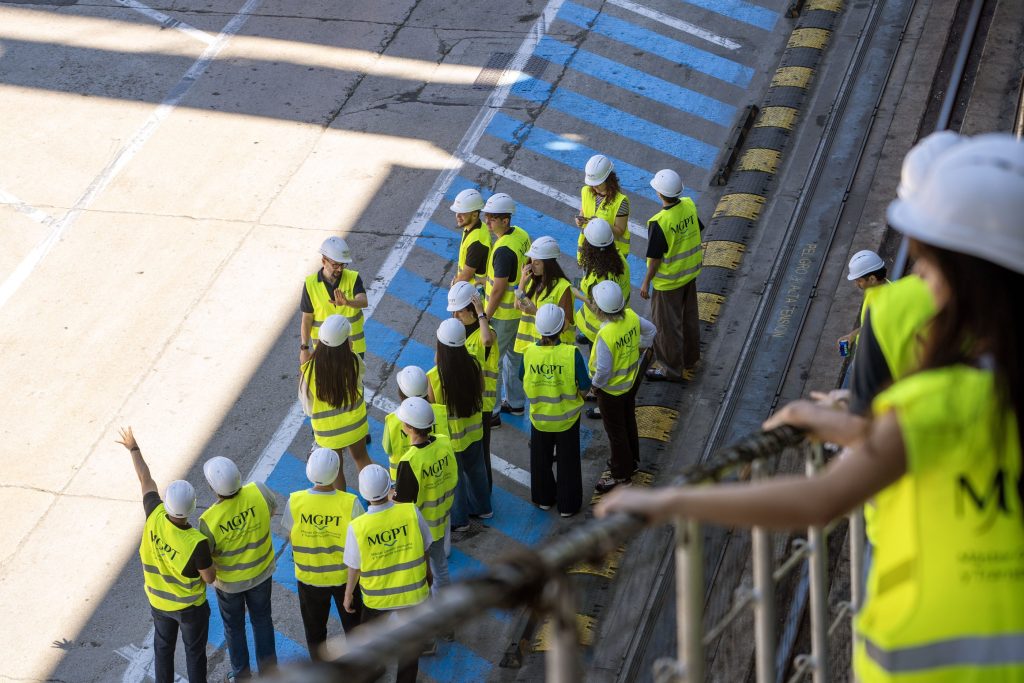
Education: the missing piece of the puzzle in maritime decarbonisation
Discussions on maritime decarbonisation are typically framed around technology and finance. Alternative fuels,…
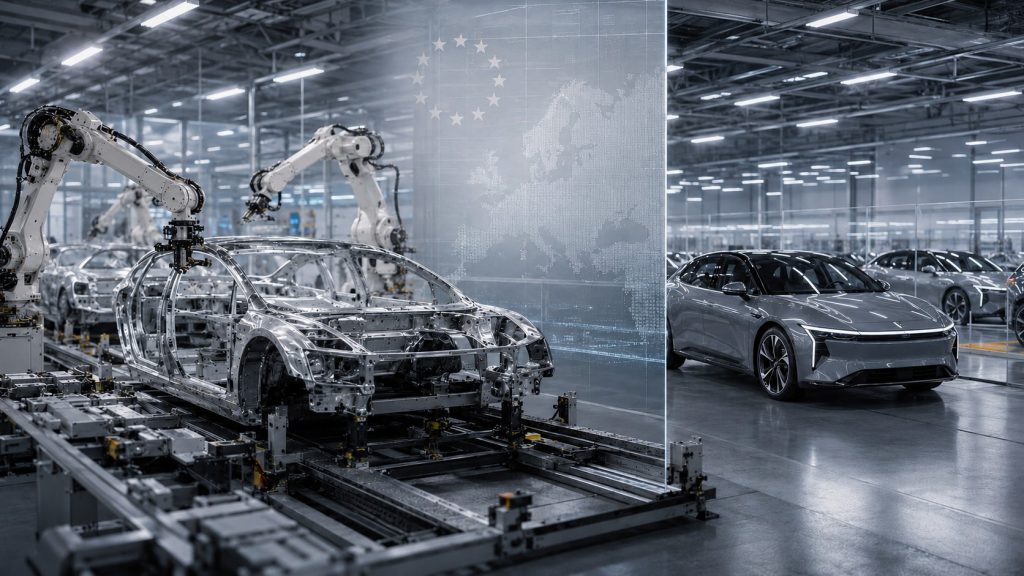
The automotive industry in Europe or the need to move from plan to action
Introduction and key sector figures The automotive industry in Europe has traditionally been, and continues to be, one…
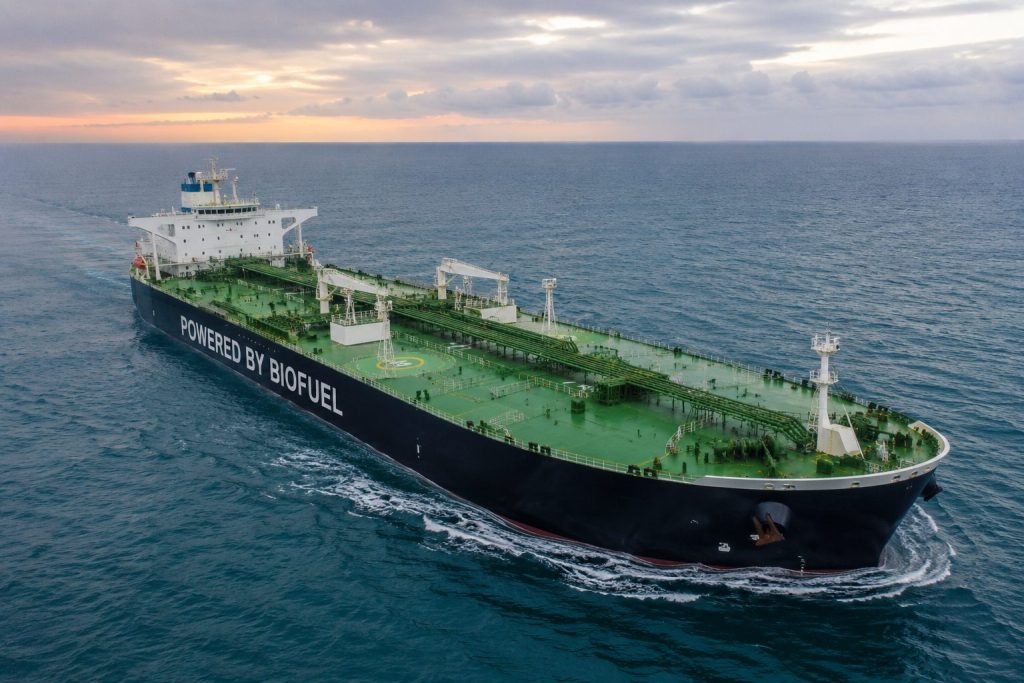
The use of biofuels for the rapid decarbonisation of the maritime sector
The maritime sector has been undergoing a process of profound transformation as a result of both the decarbonisation…
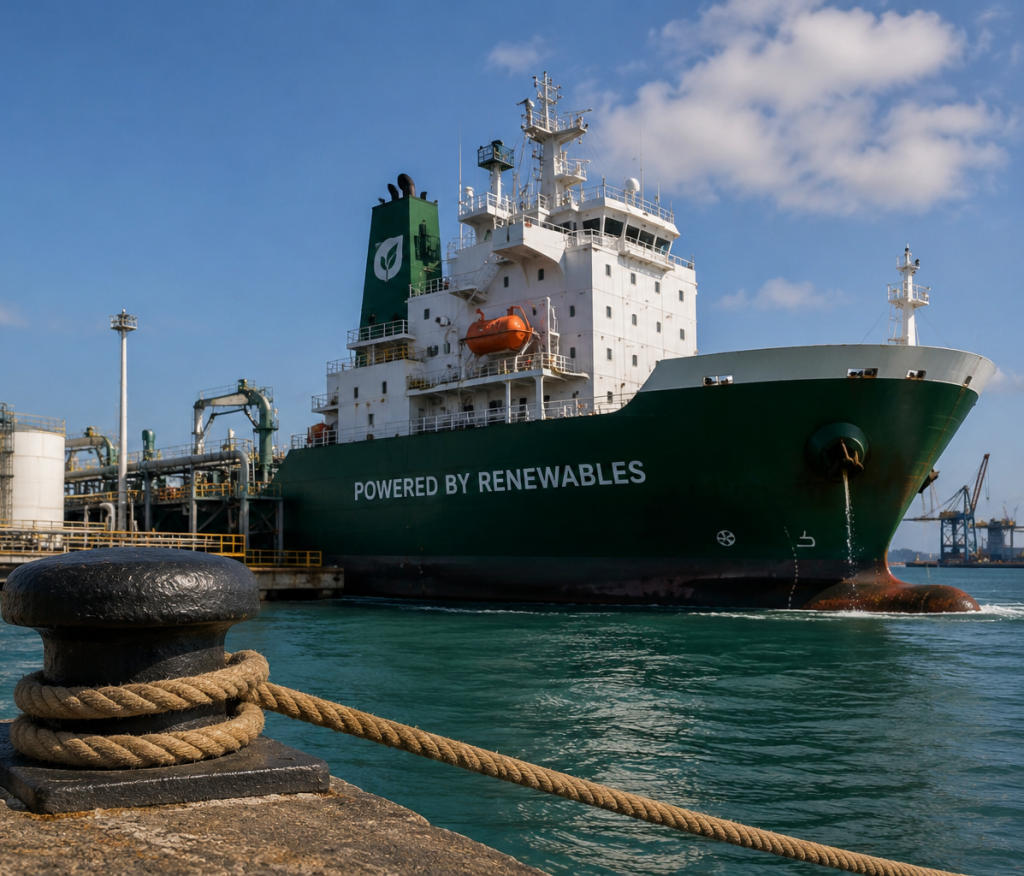
Drop-in alcohol-based biofuel in ships: emissions assessment using GrenOl+
One highly promising option for decarbonising the maritime sector is the use of diesel-like fuels, commonly known as…
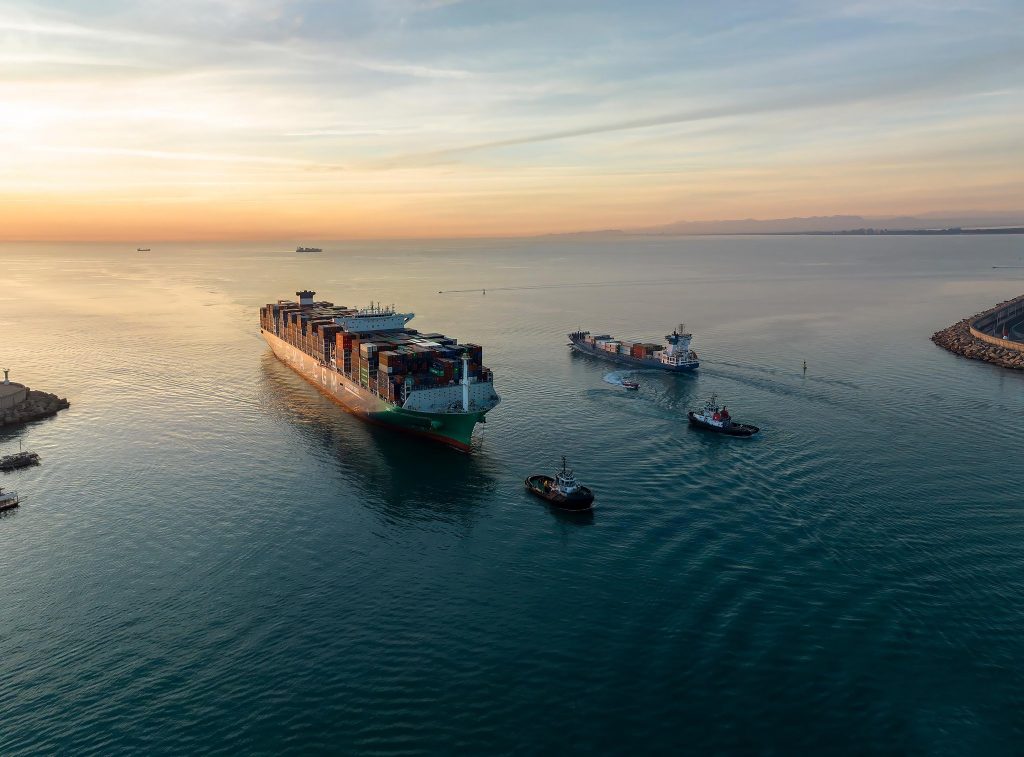
MEPC 84 (April 2026): the climate agenda reaches a decisive moment and the Net Zero Framework moves forward, with the debate still ongoing
The Marine Environment Protection Committee (MEPC) is the main technical body of the International Maritime…

Carbon footprint in ports: how to measure and understand its impact
Climate change is one of the main challenges of the 21st century. This phenomenon poses a significant risk to ports,…

Conclusions of the First National Port Sector Congress
The state-owned port system is one of the key components of the Spanish economy. The country’s ports handle the bulk…

The energy transition at the heart of the EU’s new Port Strategy: an integrated vision with unresolved issues
At a time shaped by an increasingly uncertain geopolitical landscape, devastating armed conflicts, shifts in trade…

Is ammonia a real opportunity to decarbonise maritime transport?
The decarbonization of maritime transport has become one of the major challenges facing the sector on a global scale.…